THE 365 DAY TRAVEL

Crossroads of Empires

Crossroads of Empires

King Narai’s Palace, French Ambition, and Persian Diplomacy in Ayutthaya-Era Lopburi

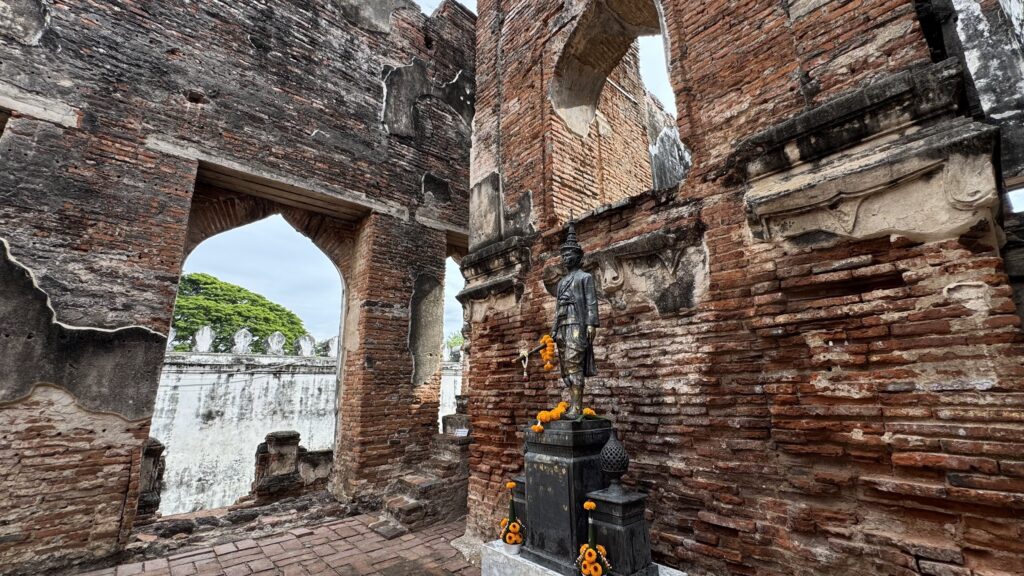
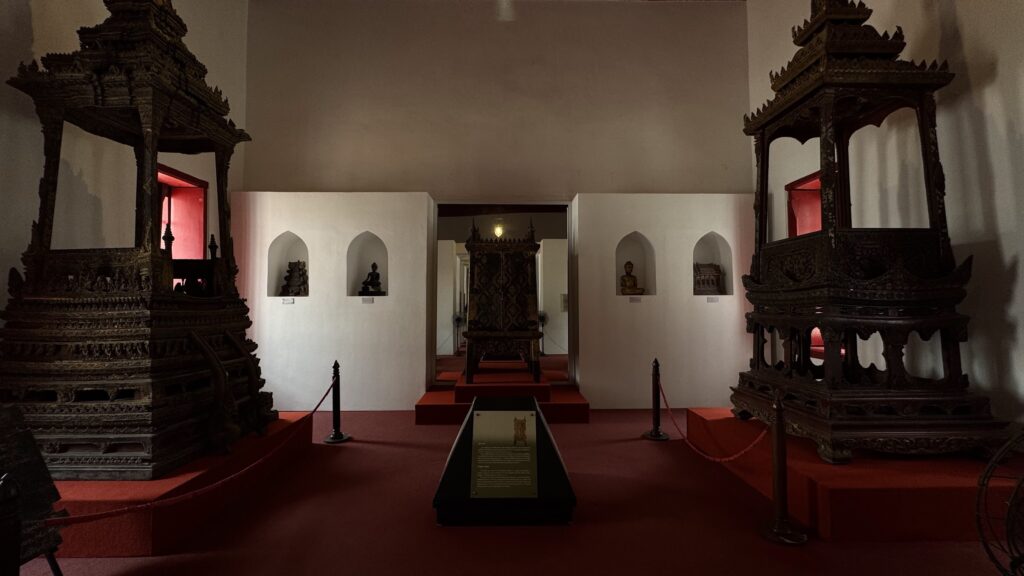
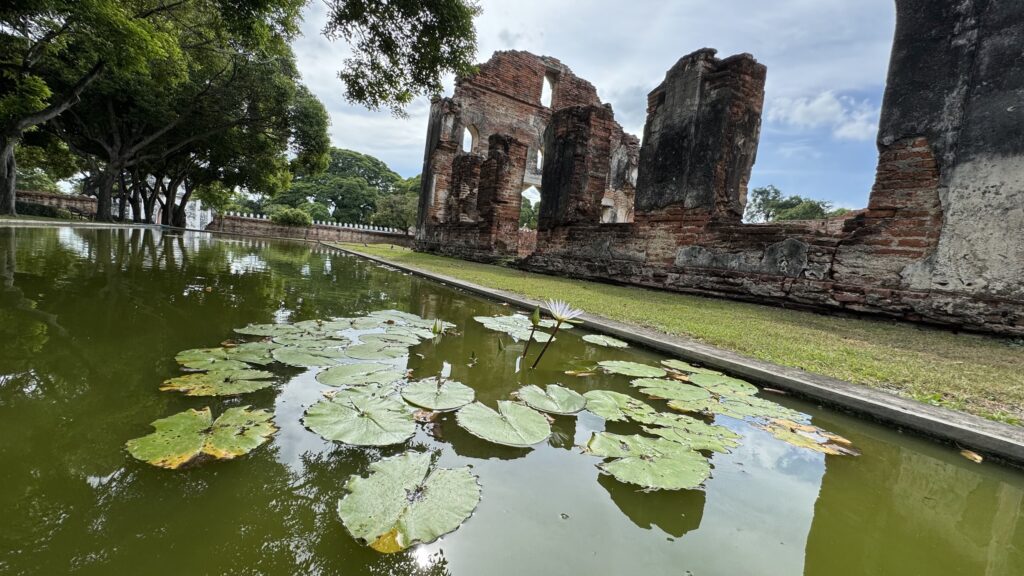
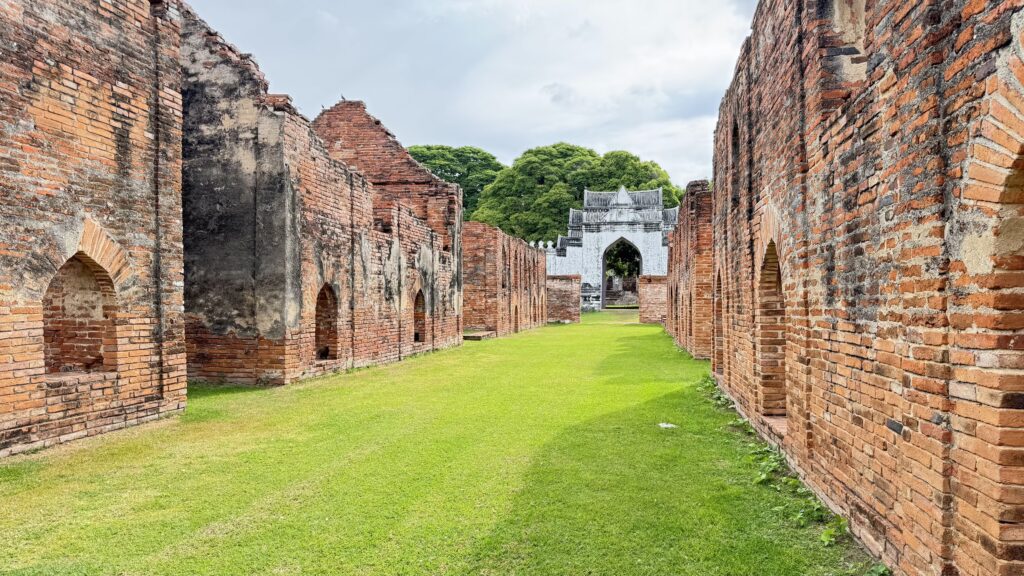
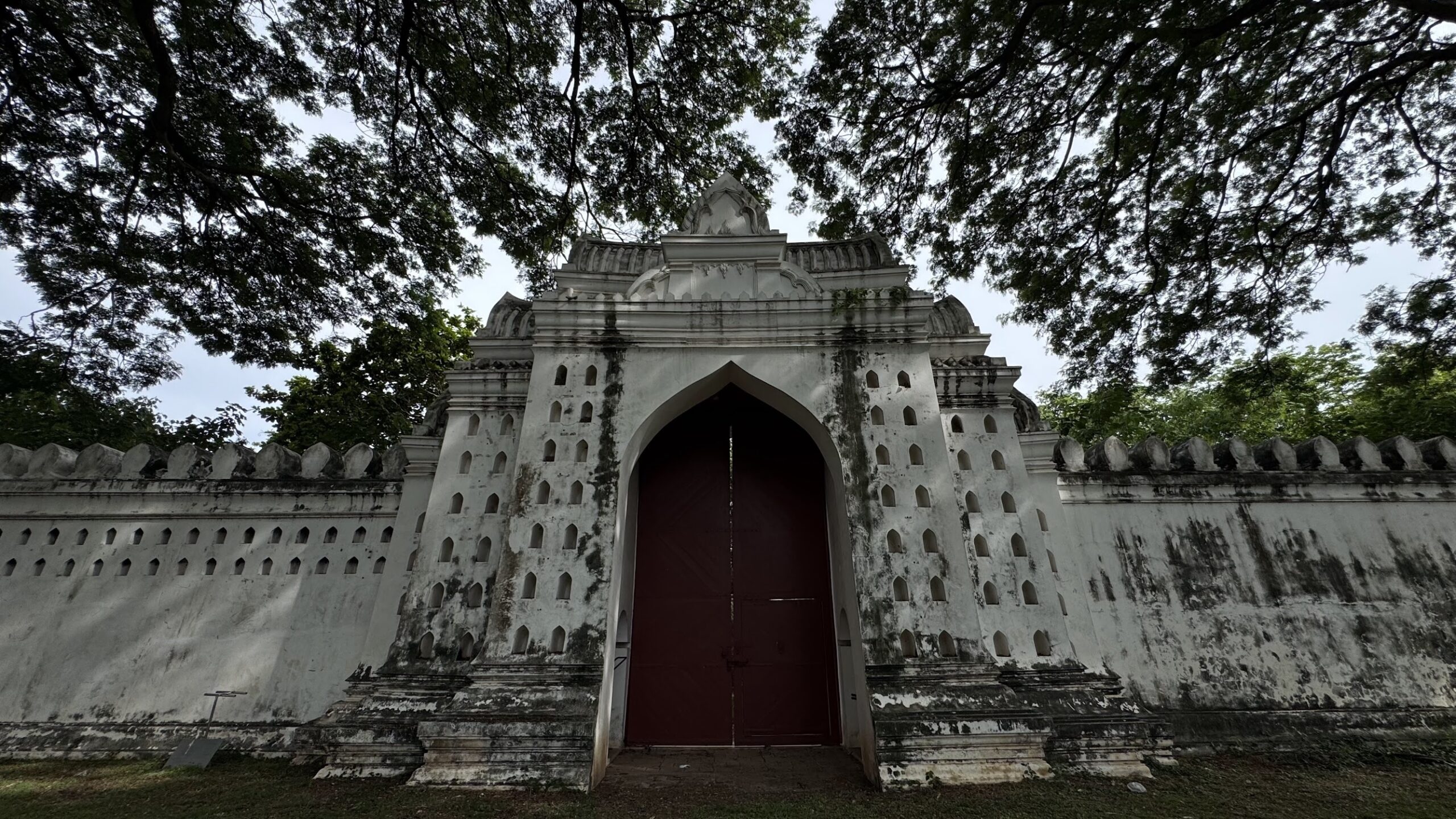
During the late seventeenth century, the kingdom of Ayutthaya emerged as one of the most vibrant cosmopolitan hubs in Asia. At the center of this golden age of diplomacy was King Narai the Great (reigned 1656–1688), a visionary monarch who skillfully played a high-stakes game of global geopolitics. To safeguard his kingdom from the growing naval threat of the Dutch East India Company, King Narai established Lopburi as his secondary capital in 1666, constructing a magnificent palace complex known today as Phra Narai Ratchaniwet. Today, this site operates as the Somdet Phra Narai National Museum, serving as a physical archive of a rare historical moment where the paths of the Siamese Court, the French Sun King, and the Persian Safavid Dynasty converged.

King Narai’s Palace, French Ambition, and Persian Diplomacy in Ayutthaya-Era Lopburi

The European Mirror: French Influence and Architectural Fusion

King Narai’s pivot toward France was both strategic and intellectual. Seeking European engineering expertise and a powerful ally, he welcomed French Jesuits, architects, and military engineers to his court. This cross-cultural collaboration permanently transformed the landscape of Lopburi.

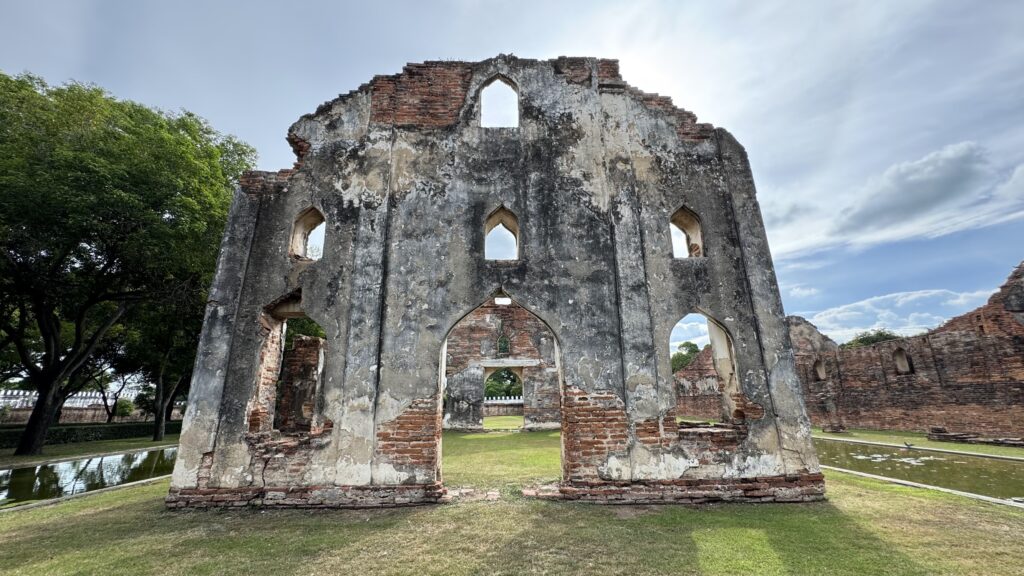
Phra Narai Ratchaniwet itself became a canvas for this synthesis. Built with the help of French and Italian engineers, the palace combined traditional Thai elements with European architecture. The Dusit Sawan Thanya Maha Prasat throne hall featured a French-style brick lower half where the king received foreign dignitaries, juxtaposed with a traditional Thai-style tiered roof. French records vividly describe the hall’s interior as being lined with imported French mirrors and fine crystal.

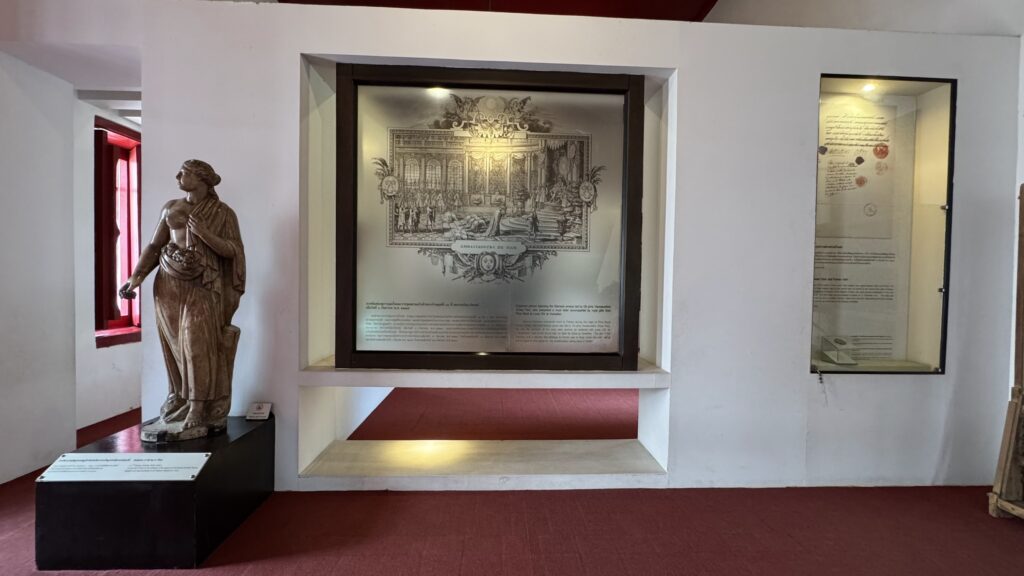
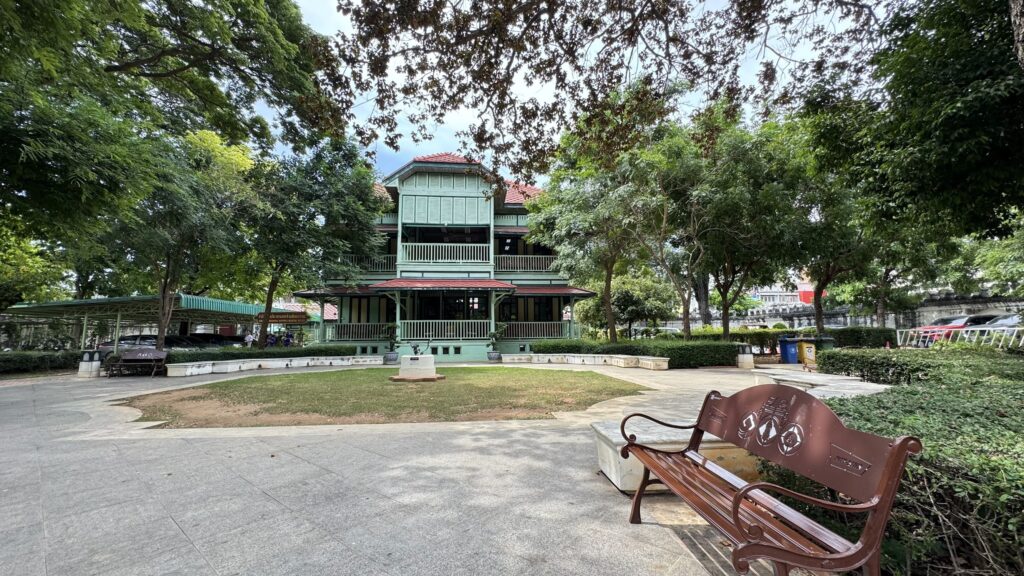
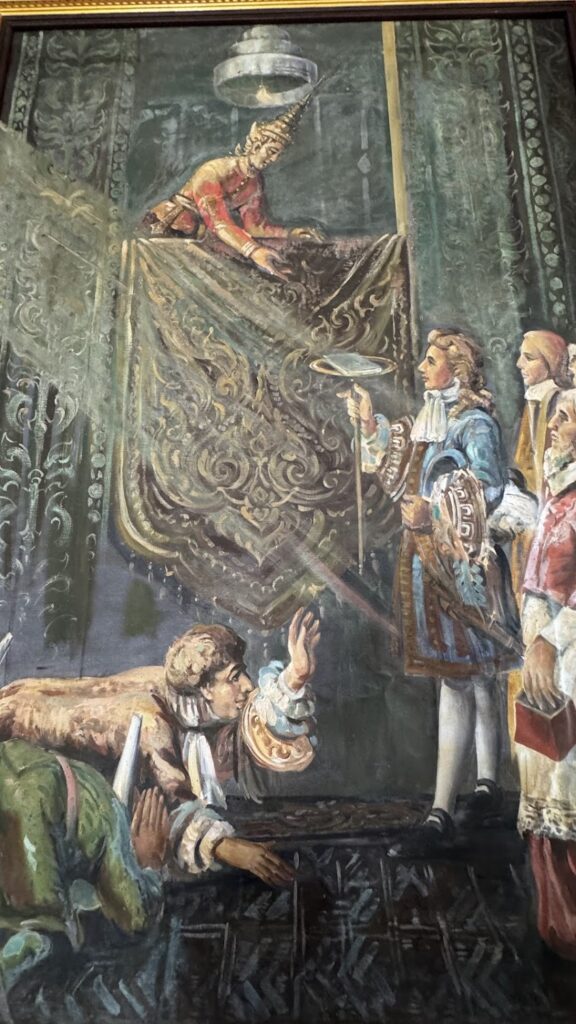
A short walk from the palace stands Ban Wichayen, a residence built to house the French ambassador, Chevalier de Chaumont, who arrived in 1685 bearing letters from King Louis XIV. The museum today displays replicas of historic paintings depicting these dramatic encounters, highlighting a time when French soldiers, mathematicians, and missionaries walked the streets of Lopburi, installing advanced engineering marvels like the palace’s pressurized underground clay pipe water system.
 
King Narai’s Palace, French Ambition, and Persian Diplomacy in Ayutthaya-Era Lopburi

The Silk and Spice Route: The Safavid Persian Connection

While Western histories often focus heavily on the French presence, the Somdet Phra Narai National Museum also keeps alive the memory of Ayutthaya’s deeply influential Middle Eastern ties. Long before the French arrived, Persian merchants and diplomats from the Safavid Empire under Shah Suleiman I held immense sway in the Siamese court.

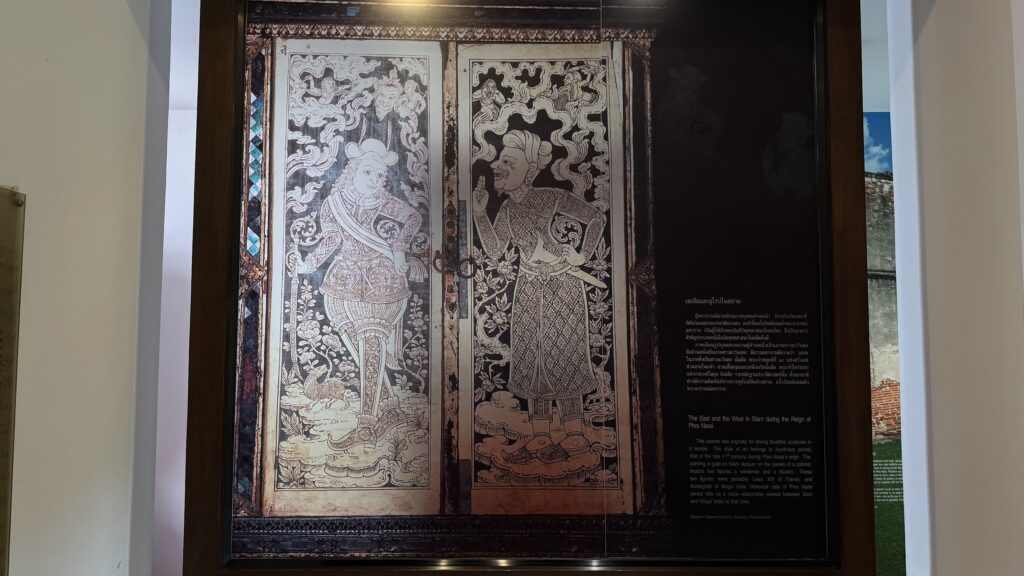
The Persian embassy of 1685, documented in the famous travelogue The Ship of Sulaiman, arrived in Lopburi to find a court already well-acquainted with Islamic culture. King Narai heavily favored Persian luxury goods, administrative styles, and even fashion; historical accounts note that the king occasionally wore Persian-style tunics. Persian architects contributed to the design of Lopburi’s fortifications, gardens, and fountains.

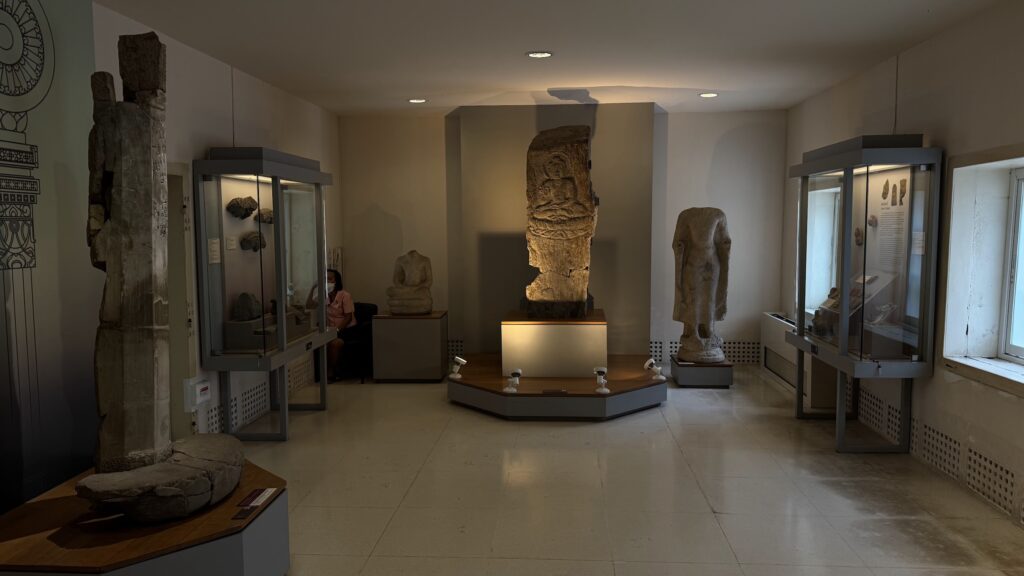
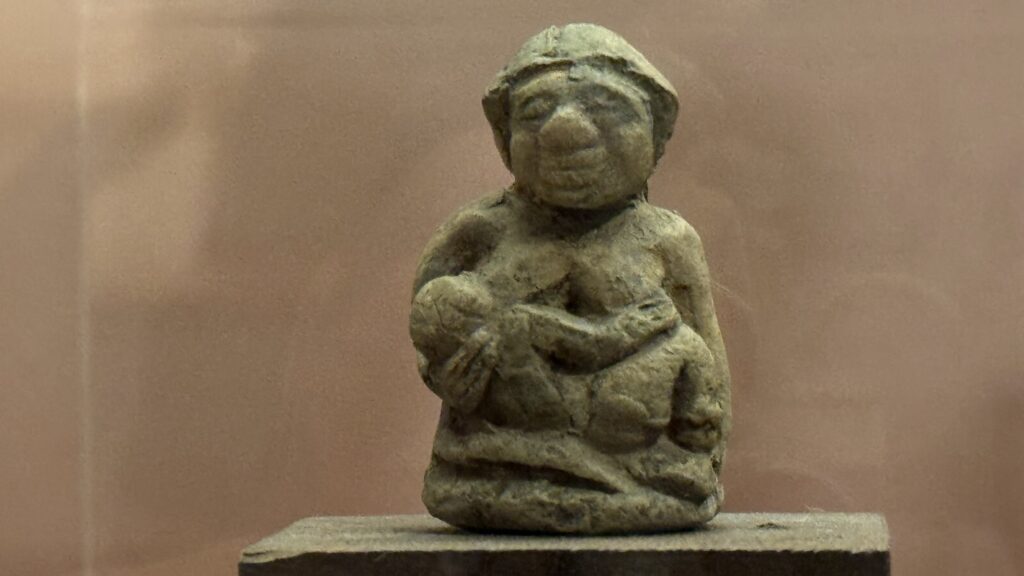
The museum preserves artifacts, ceramics, and coins that reflect this robust Indian Ocean trade network. This Islamic influence acted as a critical counterweight to Western European ambitions, proving that King Narai’s Lopburi was not merely a passive recipient of European culture, but a masterfully balanced global crossroads.

The Cosmopolitan Court: By pitting the ambitions of France, the commerce of Persia, and the naval power of the Dutch against one another, King Narai ensured that Ayutthaya remained fiercely independent while absorbing the best technology, art, and science the 17th-century world had to offer.                                                                    

 The Museum as a Living MonumentThe glory of Narai’s cosmopolitan capital came to an abrupt end with the Revolution of 1688. As the king lay dying in the Suttha Sawan Throne Hall, a nationalist, anti-foreign faction led by Phra Phetracha seized power, executed the king’s Greek counselor Constantine Phaulkon, expelled the French troops, and abandoned Lopburi.

The palace fell into ruin for nearly two centuries until King Mongkut (Rama IV) restored it in the 19th century. In 1924, it was converted into a museum, later renamed the Somdet Phra Narai National Museum.


King Narai’s Palace, French Ambition, and Persian Diplomacy in Ayutthaya-Era Lopburi

🕒 Opening Hours

Wednesday to Sunday: 8:30 AM – 4:00 PM (The exhibition buildings and museum galleries close strictly at 4:00 PM).

Monday and Tuesday: CLOSE

Public Holidays: Closed on official Thai national holidays.

Note: The outdoor palace grounds and ruins sometimes remain open slightly later (until about 4:30 PM or 5:30 PM) for walking around.


Admission Fees

Foreign Visitors: 150 to 200 THB

Thai Citizens: 30 THB

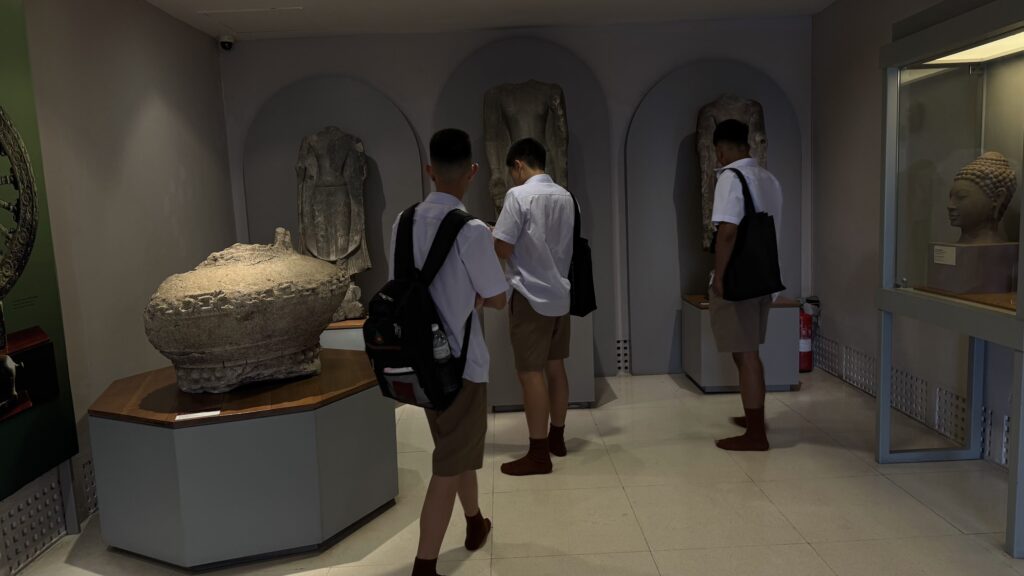
Free Entry: Students in school uniform, monks/novices, and seniors (60 years and older).

Leave a comment