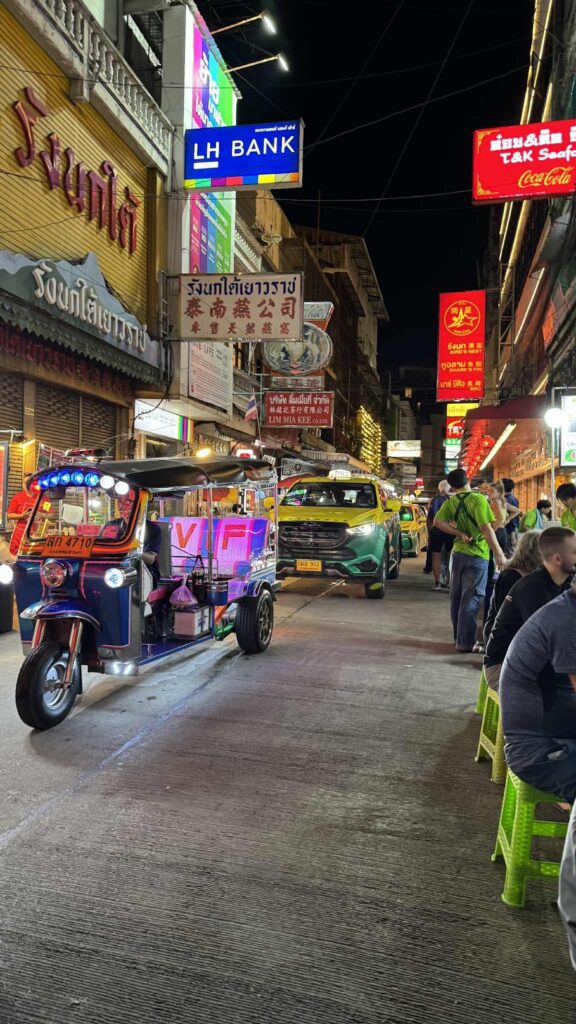
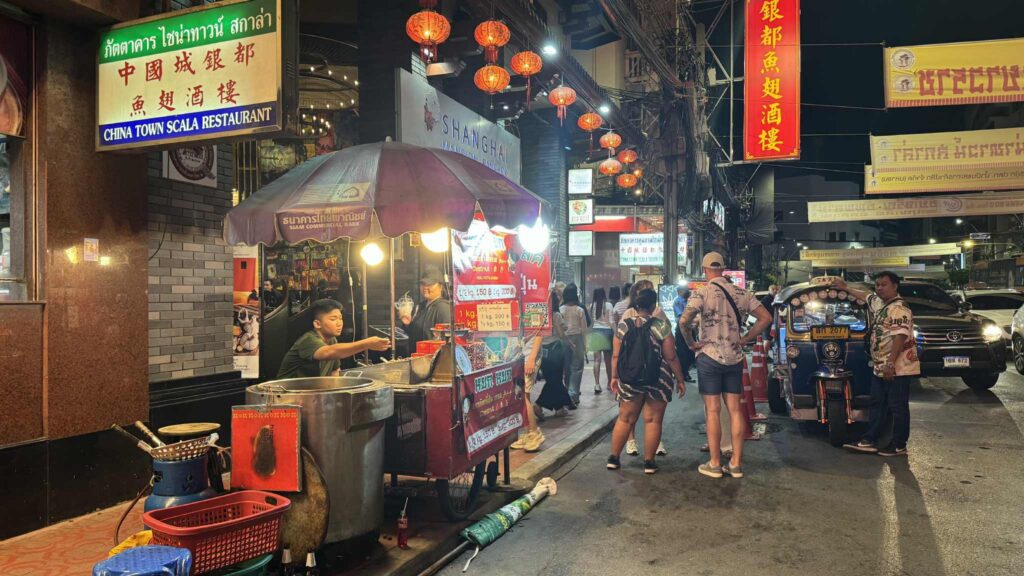
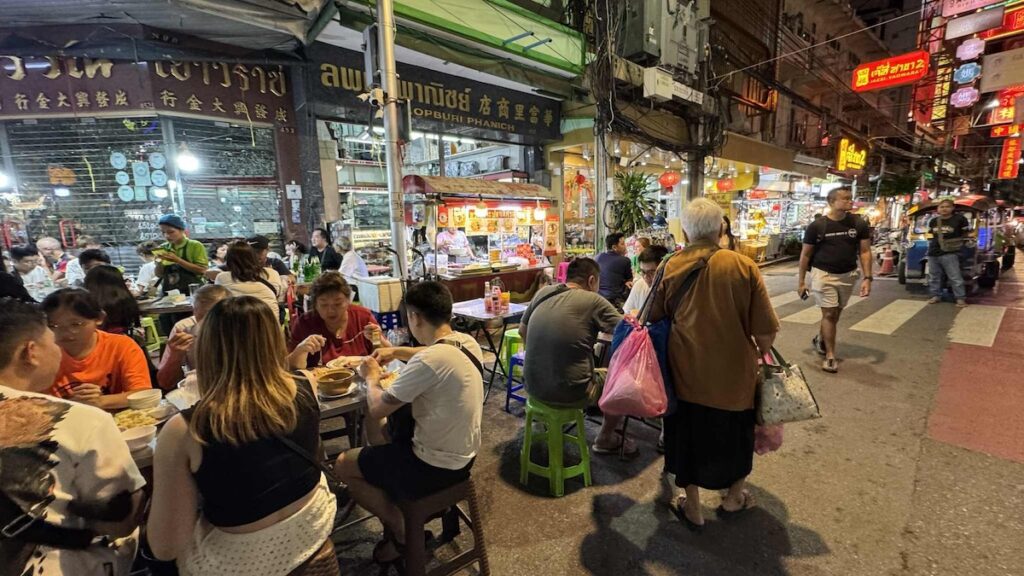
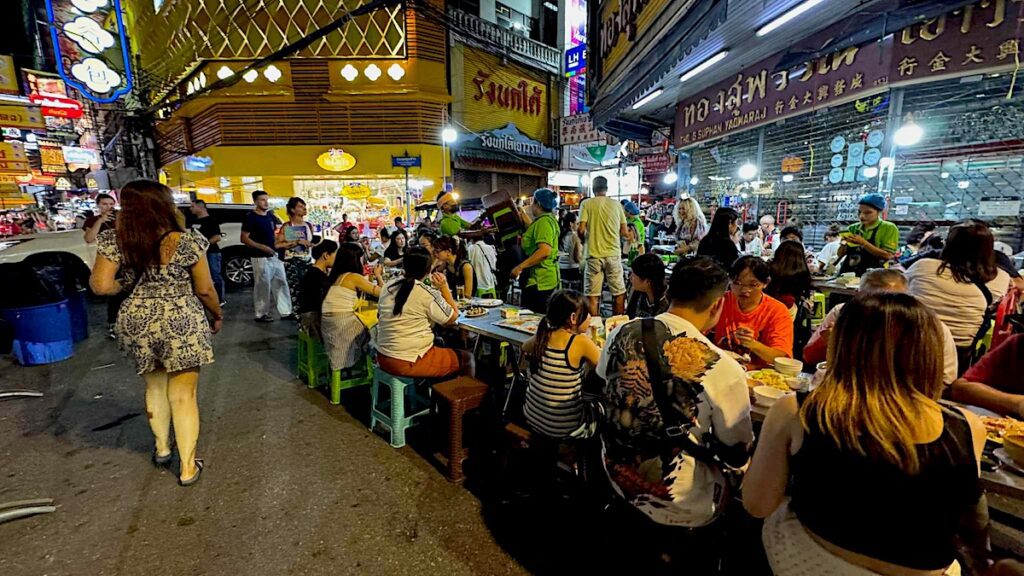
Walking into a bustling street in the heart of Bangkok, surrounded by neon signs in Chinese script, the scent of sizzling dishes in the air, and a constant stream of people passing by, the senses come alive. This is Yaowarat Road, the main artery of Bangkok’s Chinatown — vibrant, vivid, and ever awake.
More than just a road, Yaowarat tells a story that stretches back over 130 years. Commissioned during the reign of King Rama V, the road was part of a grand vision to turn the thriving Sampheng area into a hub for international trade. Construction spanned eight years, from 1892 to 1900, transforming fields and waterways into what would soon become one of the city’s most vital commercial routes.
Challenges marked the early days of this transformation. Misunderstandings led landowners to sell off properties at a loss, fearing government seizure. Resistance grew, delaying progress. But with determination and royal foresight, the road took shape — not only as a physical pathway, but as a symbol of modern development meant to serve all without cost.
Originally named “Yuppharat,” the street was later renamed “Yaowarat” by King Rama V himself. The name, meaning “young monarch,” honored his own ascension to the throne at the age of fifteen. Interestingly, the road was designed to follow existing ox-cart trails, minimizing impact on local homes. This winding path, with curves like a dragon’s spine, earned Yaowarat the nickname “The Dragon Road.”
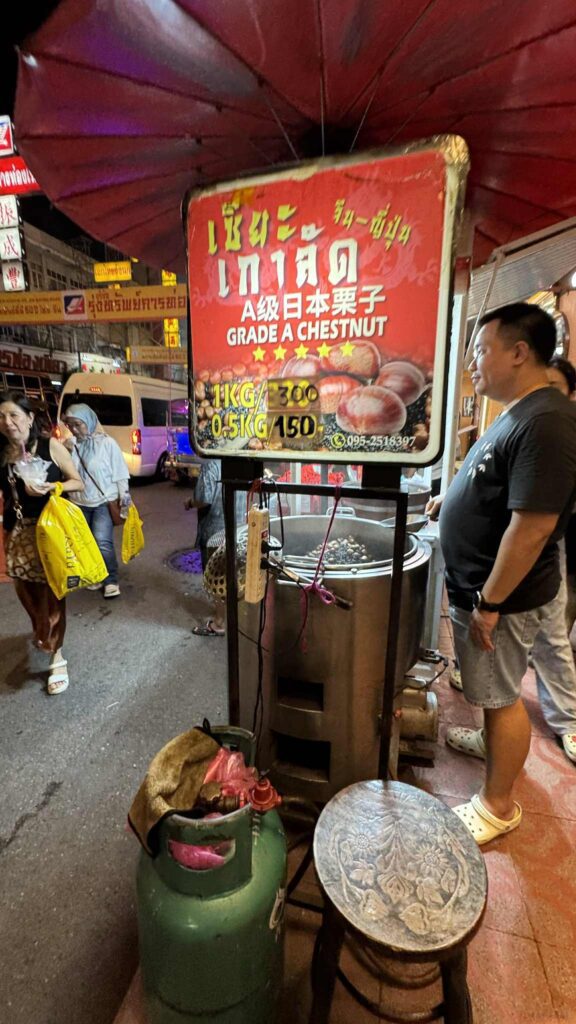
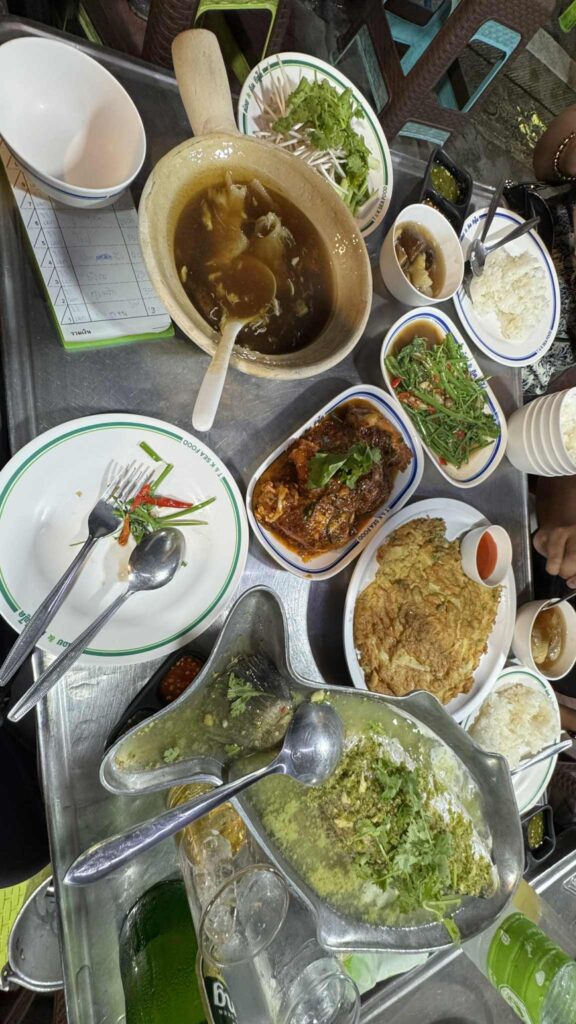
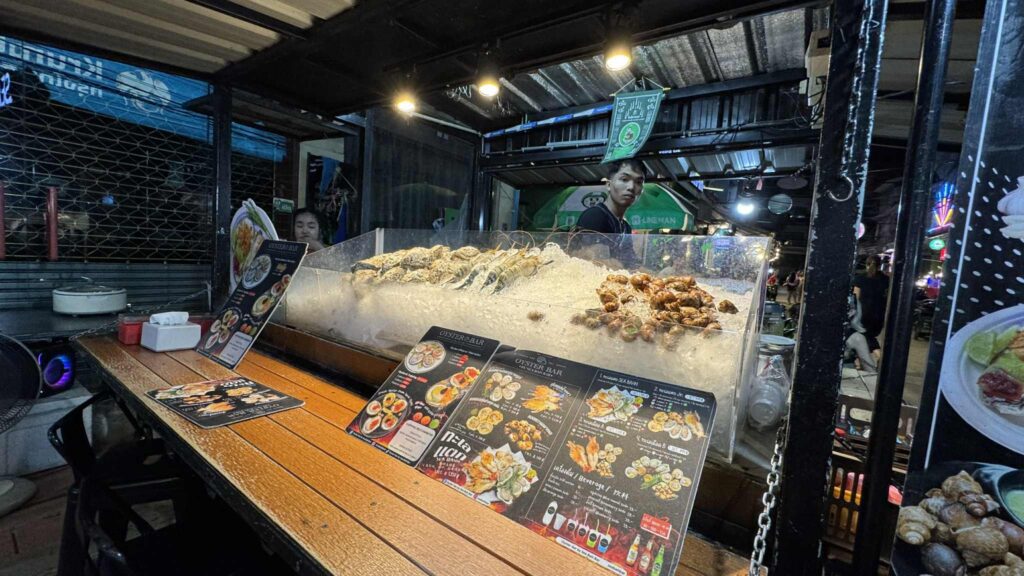
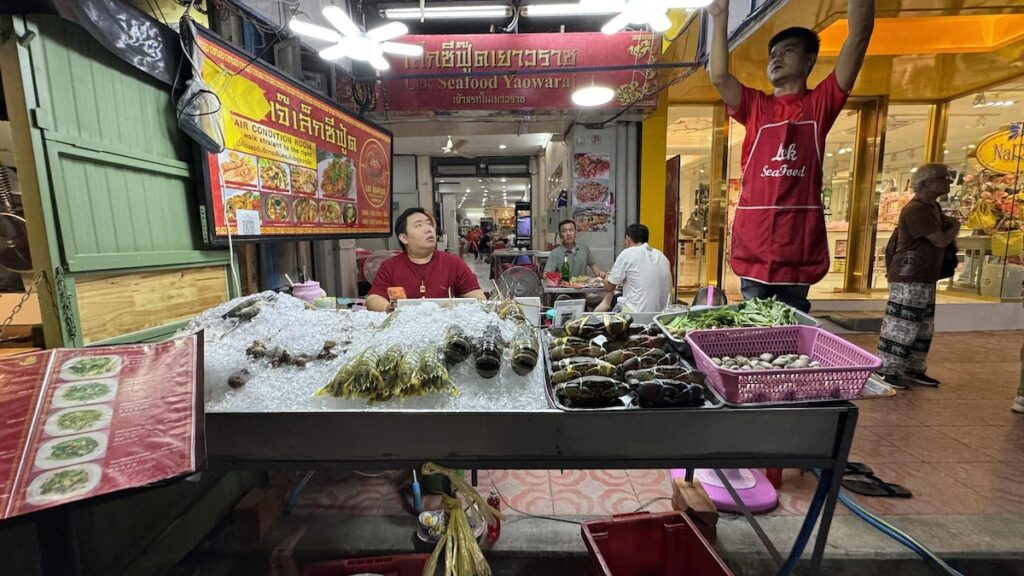
Over the decades, Chinatown grew into one of the largest Chinese communities outside of China. Traditional medicine shops, gold stores, age-old restaurants, and buzzing night vendors created a cultural mosaic unlike any other. Storefronts changed, trends came and went, but the heartbeat of the road remained constant — alive with flavor, color, and story.
A powerful moment in Yaowarat’s history unfolded on June 3, 1946, when King Ananda Mahidol (Rama VIII) and his younger brother, Prince Bhumibol Adulyadej (later Rama IX), visited the area. Tensions between local Thai and Chinese communities ran high at the time. The royal presence calmed the storm, uniting people through simple, genuine connection. Their walk through Yaowarat, filled with smiles, cheers, and shared meals, remains a cherished memory.





Leave a comment