Muay Thai, a precious cultural heritage born from the warrior’s bloodline of Siam, is both a martial art of self-defense and a graceful sport whose true origin cannot be precisely traced, yet has endured alongside the nation through centuries—a union of elegance and ferocity embodied in the “Art of Eight Limbs”: fists, elbows, knees, and shins, a discipline that forges body, will, and mind into a philosophy of life within the world of combat.
From the roots of Ayutthaya, when King Sanphet VIII, known as King Tiger, disguised himself among commoners to test his skill against three renowned fighters and triumphed with valor, Muay Thai emerged as a noble art in the royal court before spreading among the people. Temples became sanctuaries of training, where retired warriors turned monks passed down the sacred legacy of fists, elbows, knees, and feet to devoted disciples bound by loyalty and respect.
Among the legends stands Nai Khanom Tom, the Thai captive who defeated ten Burmese fighters with his bare hands in Ava, earning the admiration of the Burmese king who proclaimed, “Though unarmed, the Thai are dangerous in every limb.” His victory etched his name in history as proof that courage and the art of Muay Thai are weapons of the heart. Likewise, “Thongdee the White-Toothed,” later known as Phra Phichai Dabhak, carried this martial spirit onto the battlefield, a symbol of strength and fearless devotion.
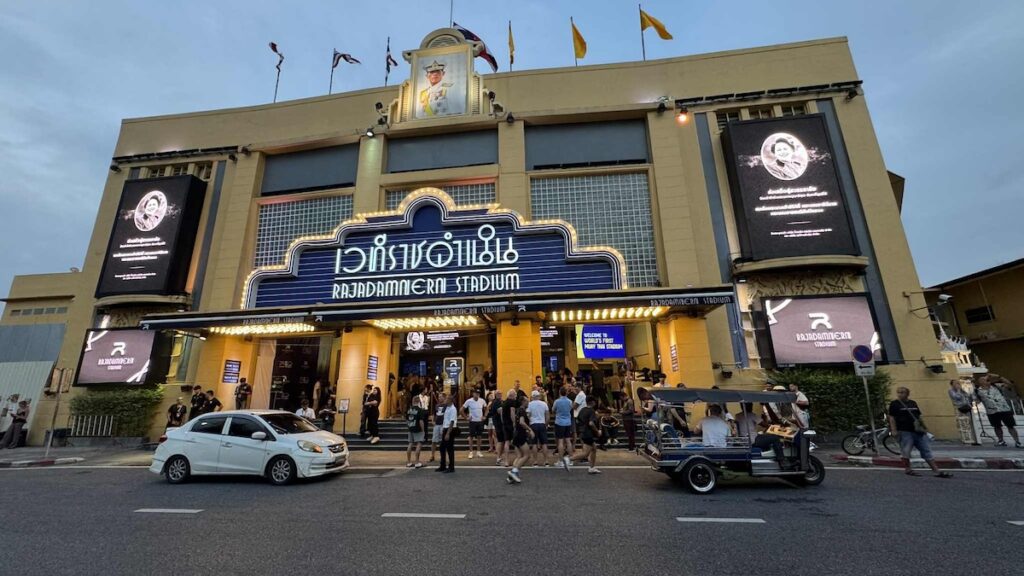
During the reign of King Vajiravudh (Rama VI), Muay Thai transformed from battlefield combat into organized sport, with gloves, referees, scorecards, and official rings. After World War II, on December 23, 1945, the Rajadamnern Boxing Stadium was born—a sacred ground of honor where Thai fighters shed sweat upon the canvas in exchange for pride and glory. Later, in 1956, the Lumpinee Stadium opened its doors, carrying forward the flame of Thai boxing’s everlasting vitality.
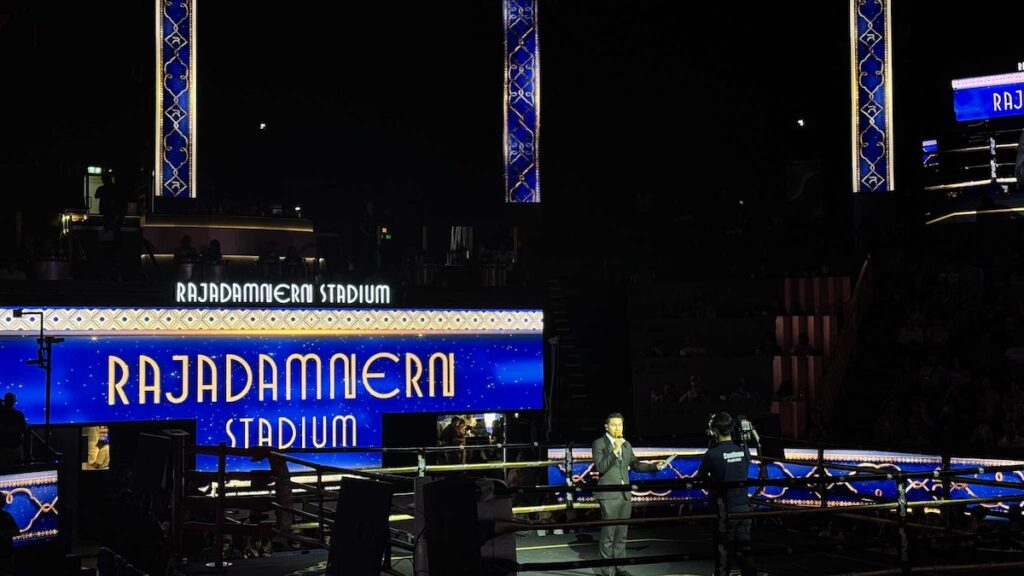
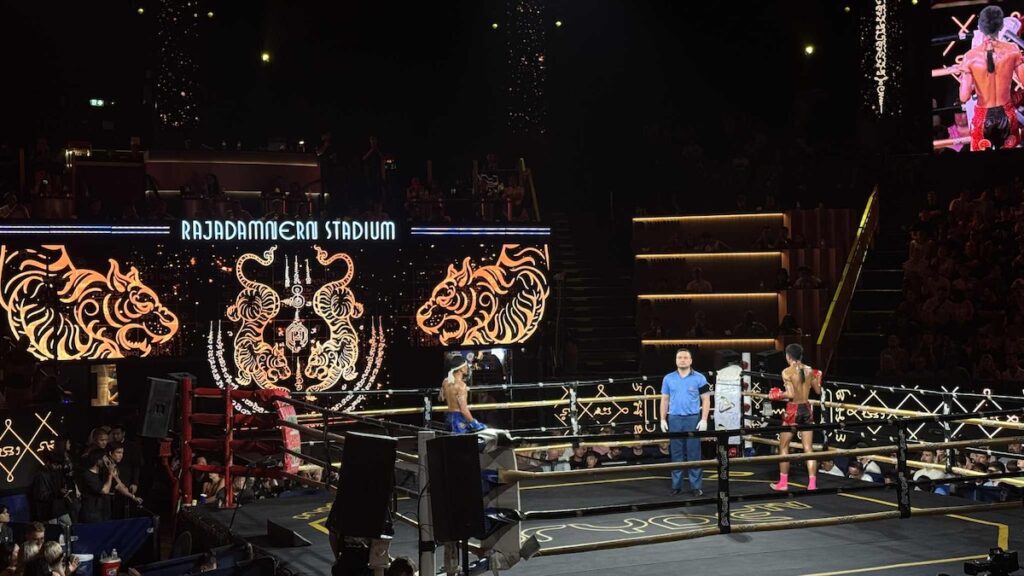
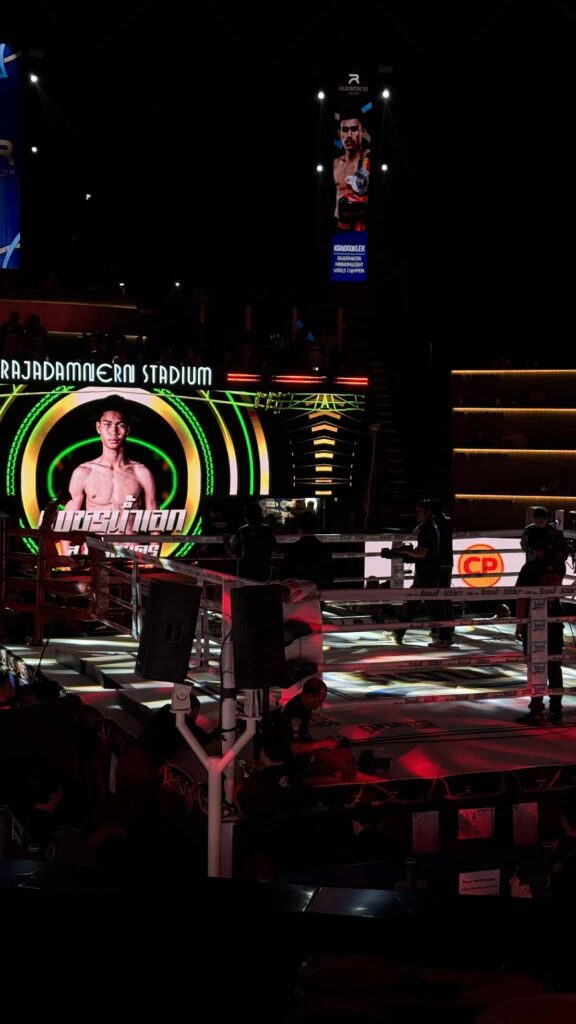
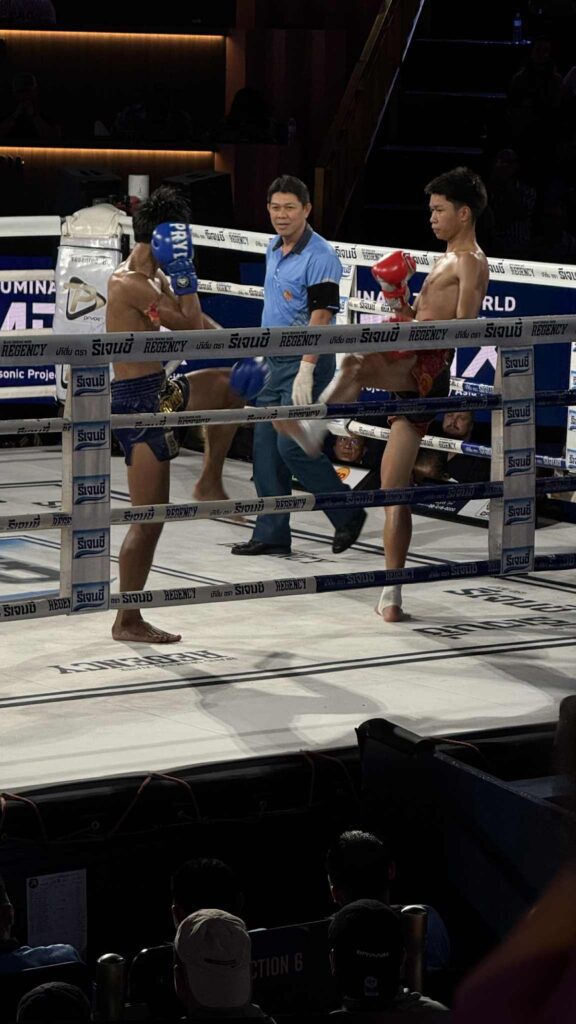
Today, Muay Thai has crossed borders, celebrated across the world as a symbol of discipline and indomitable spirit. Countless foreigners journey to Thailand to train, seeking the soul of the “Siamese warrior.” The drumbeats of the wai kru still echo from the past to the present, and Rajadamnern Stadium stands proud as a temple of honor—where art, culture, and the warrior’s soul converge, a pride that breathes eternally through the land.
Muay Thai is the wind of a nation’s pride, the eternal song of battle that shall never fade.











Leave a comment