Drift along the Chao Phraya River, and you’ll find yourself in Kudeejeen, a riverside neighborhood on the Thonburi side of Bangkok where time seems to slow down. Here, Thai, Chinese, and Portuguese cultures blend seamlessly, their stories intertwined through generations. At the heart of this community stands Kian An Keng Shrine, a graceful sanctuary that whispers tales of faith, migration, and belonging.
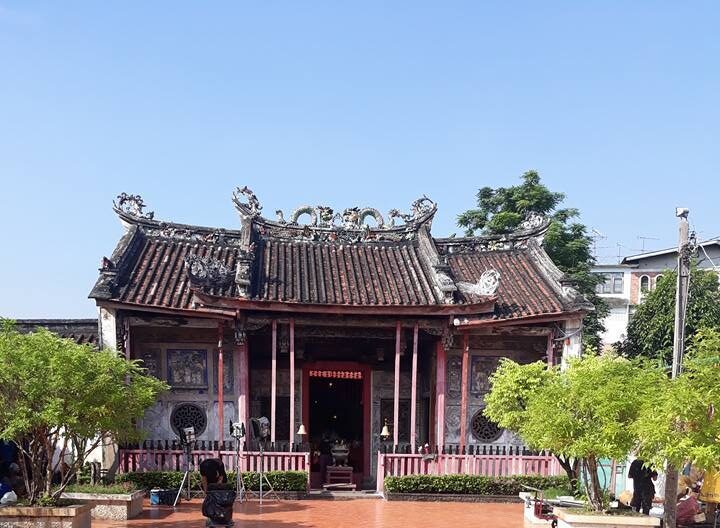
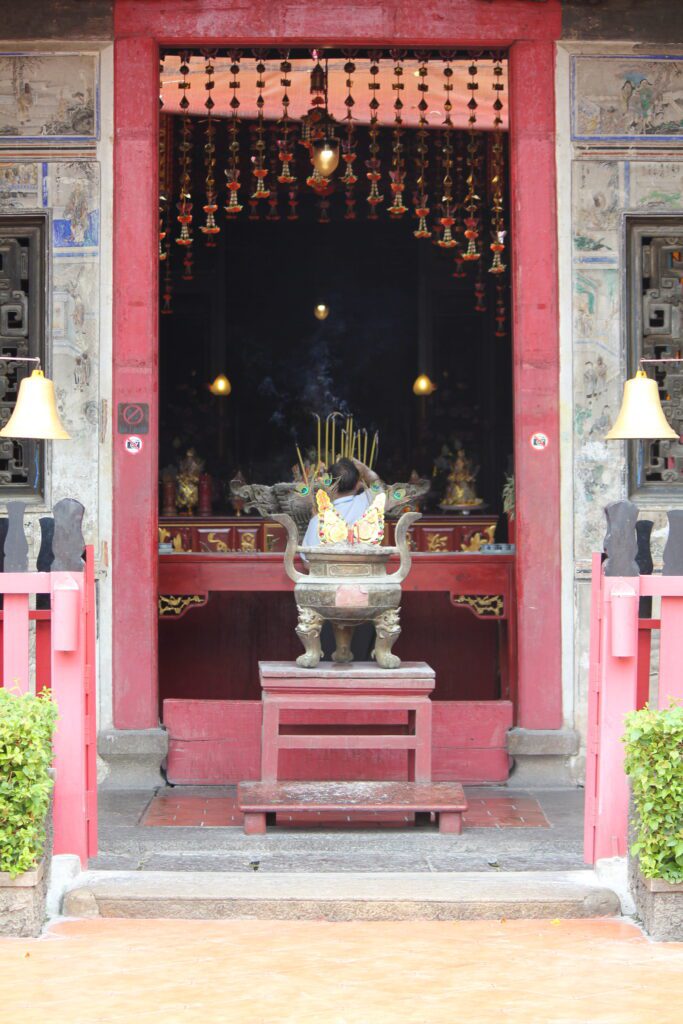
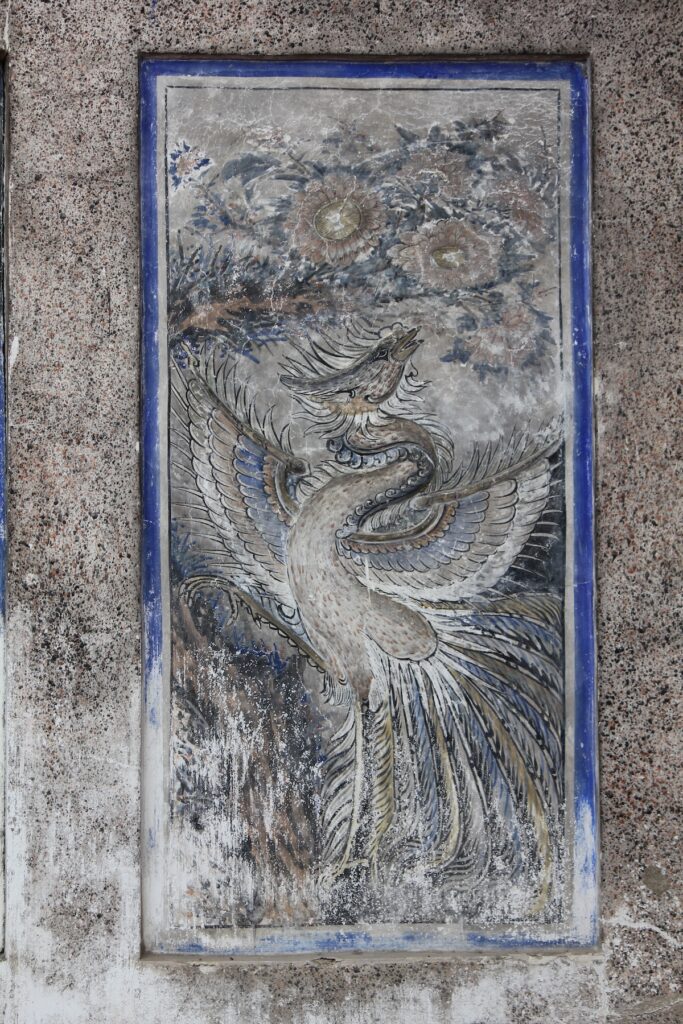
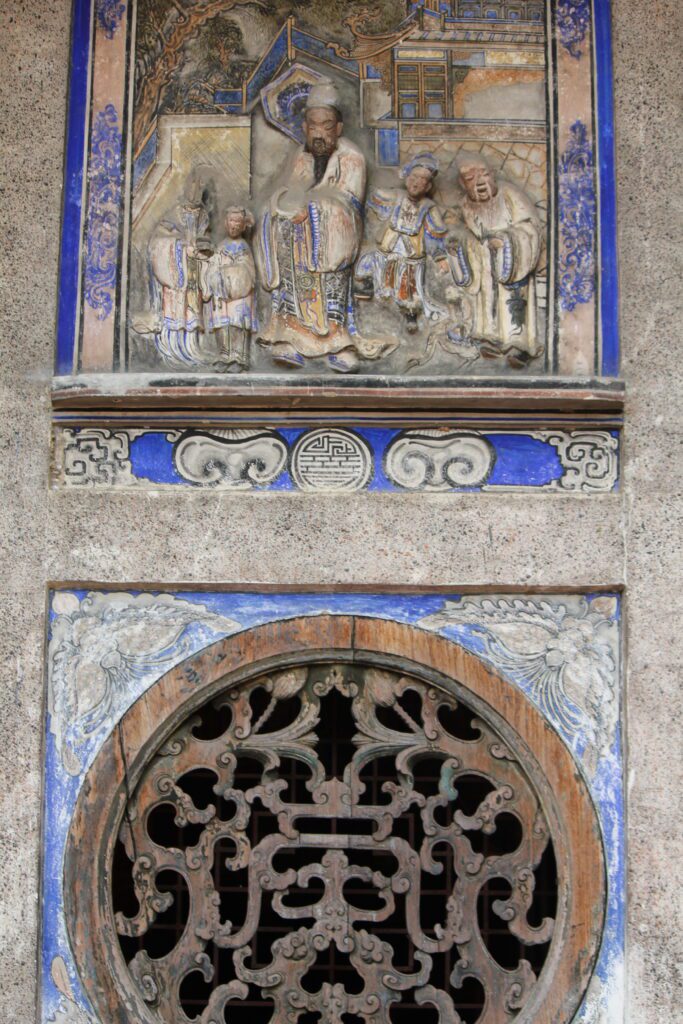
Built by Hokkien Chinese settlers during the Thonburi period, after the fall of Ayutthaya in 1767, the shrine has stood for centuries as a symbol of devotion. Its architecture radiates the beauty of Southern Chinese design — curved ceramic roof tiles, dragon ornaments, and intricately carved golden doors that shimmer under the soft river light. Inside, the air is filled with the scent of incense and the quiet reverence of visitors paying respect to Ma Cho Po, or the Goddess of the Sea, known to protect travelers and bless them with good fortune.
During Chinese New Year and the goddess’s birthday, the community comes alive with celebration. Drums echo through narrow lanes, firecrackers burst like lightning, and the faithful parade the goddess’s statue through the streets, surrounded by smiles, prayers, and the rhythm of tradition.
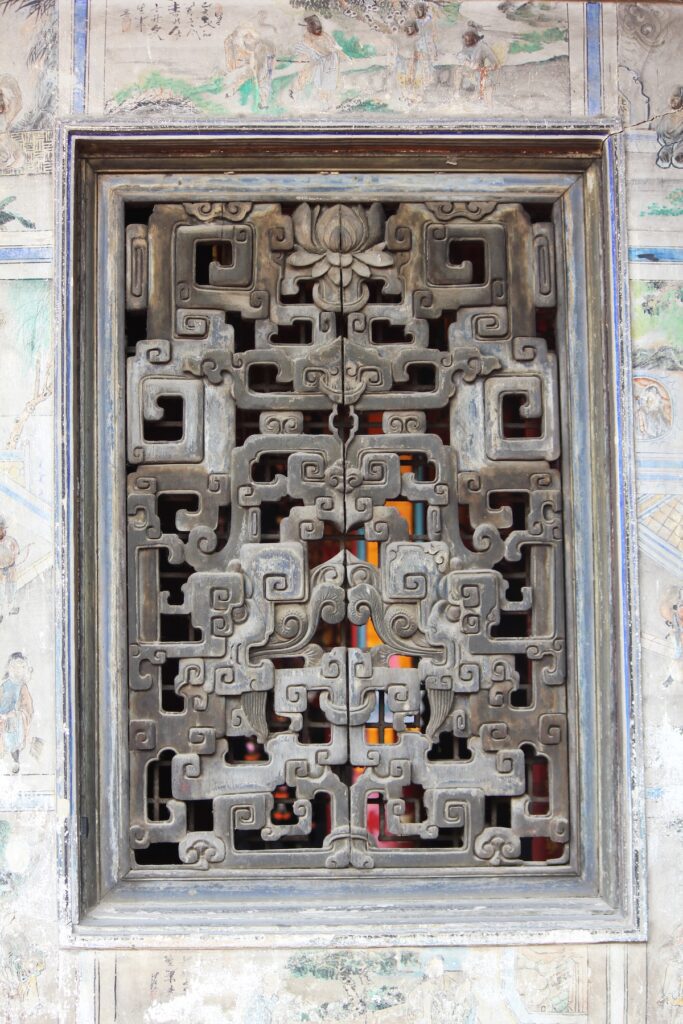
Kian An Keng Shrine is more than a place of worship — it is the beating heart of the Kudeejeen community, a living museum of cultural harmony. Every carved beam and painted tile tells a story of resilience, unity, and shared faith that has endured through centuries.
To visit this shrine is to step into a world where history breathes softly through the incense smoke, and where every gust of wind carries whispers of devotion from generations past.





Leave a comment